The best night of your life is happening tonight, three thousand miles away, and it costs more than a flight to get in the door. We think that's backwards. So we're opening the doors — every show, every angle, from anywhere.
Music is the one language the whole planet already speaks. But the room where it actually happens — the room with the sweat and the bass in your chest and ten thousand people singing the same words — has quietly become the most exclusive room in culture.
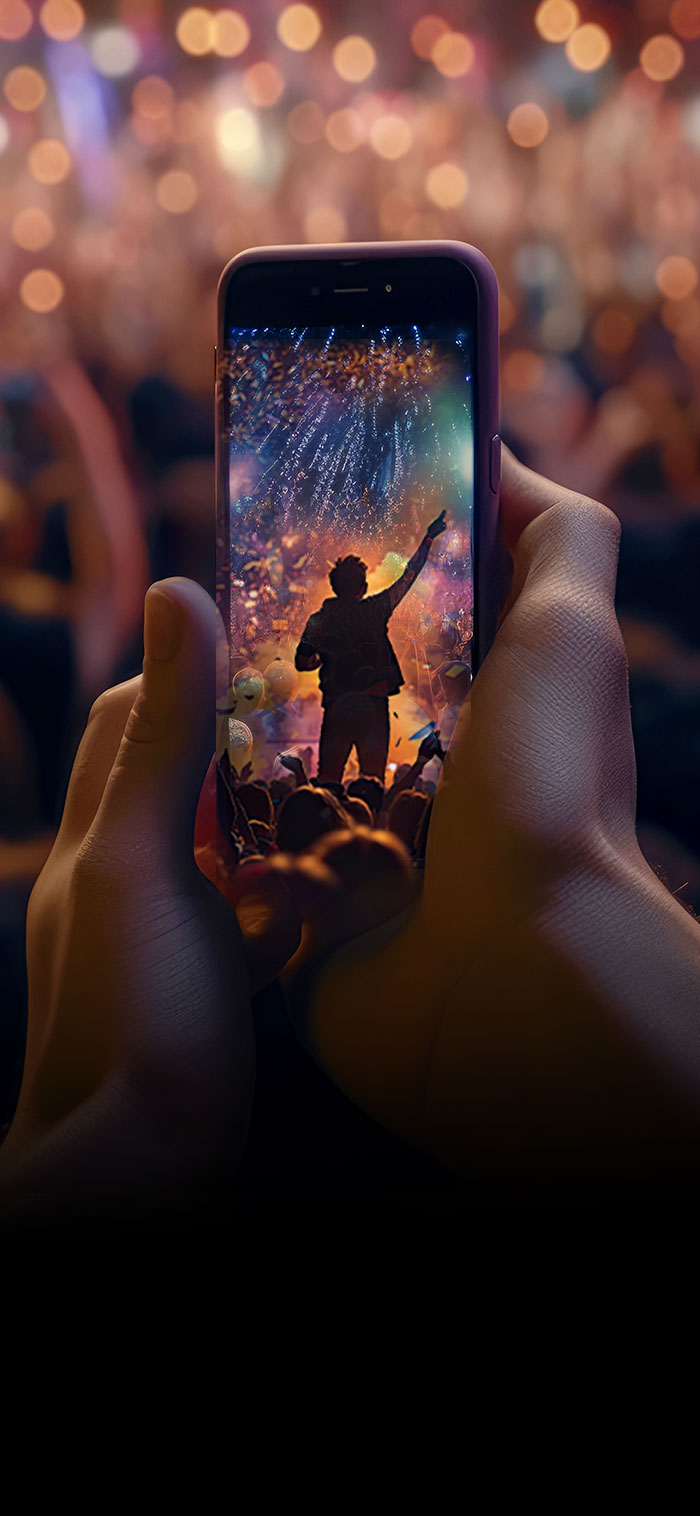
LiveWired exists to unlock that room. Not with a single camera bolted to a balcony, but with the crowd itself: fans filming from the pit, the rail, the back of the floor, their phones stitched into one live, multi-angle show that anyone in the world can walk around inside.
The people already in the room become the way everyone else gets in.
This isn't a feeling. It's documented, it's measured, and regulators are now suing over it. Prices move like airline seats. Fees appear at checkout. Bots take the good seats in seconds and resell them at a markup. And the small rooms where careers actually start are closing.
of a ticket's cost can be mandatory fees the buyer never saw advertised — $16.4 billion of them between 2019 and 2024, according to the FTC's complaint.
FTC · Sept 2025tickets across 2,594 events — bought past the limits fans are held to, then resold back to those same fans.
FTC · Sept 2025of America's independent stages were unprofitable — the same rooms that give emerging artists their first paid show.
NIVA State of LiveWhen only the people who can afford the room get to see the show, everyone loses — the fan priced out, and the artist who never reaches them.Why we started LiveWired
Streaming already settled the question of whether people will pay for access — hundreds of millions of them do, every month, and recorded music has grown for eleven straight years. Live is the same story with a locked door on it: the rooms are full, the demand is enormous, and the economics still don't reach the people making it happen.
Same study, both halves true: the rooms generating $153.1 billion are the rooms where 64% lost money. The audience is already there. The way in isn't. That gap is the whole reason we exist.
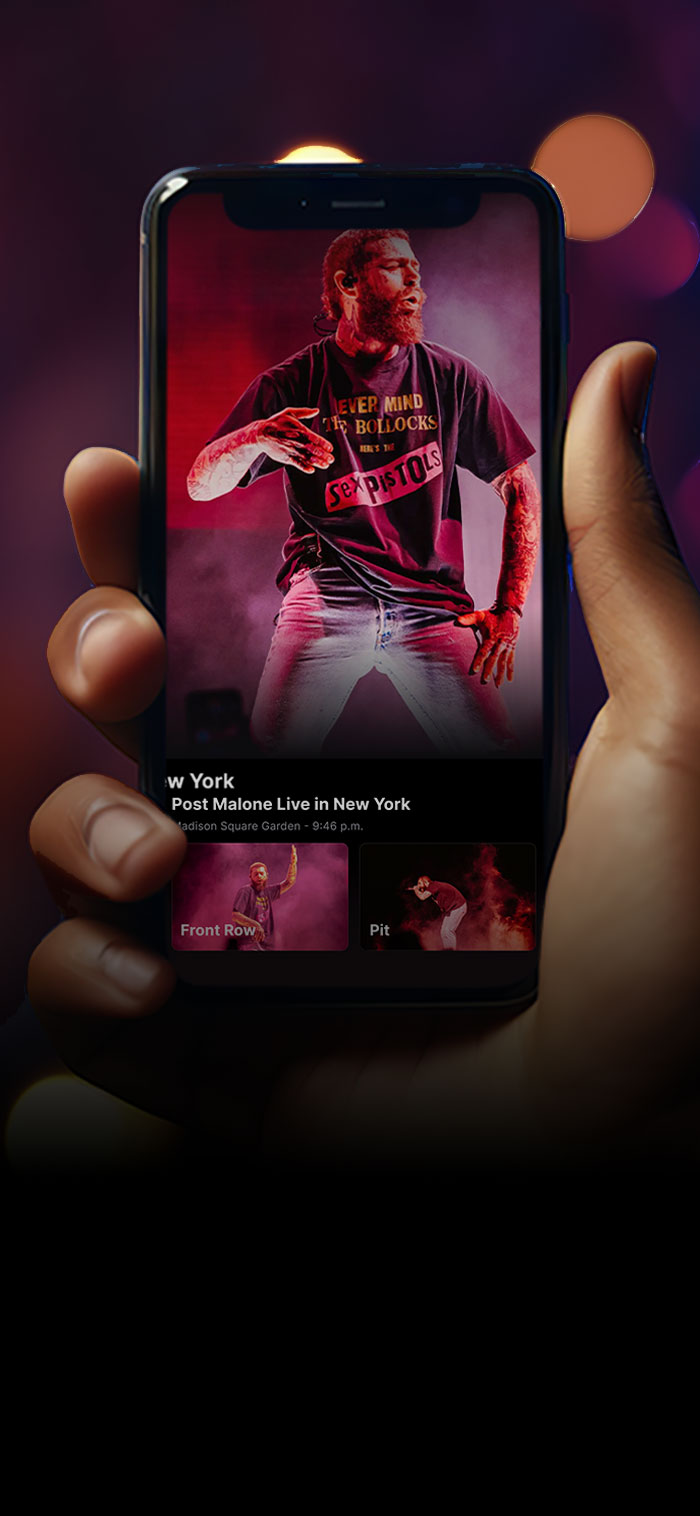
Every show, filmed by the people who are already there, synced into one stream. Not a shaky clip from the back — a real production assembled from the whole room, live as it happens and waiting for you afterwards.

Switch cameras mid-song — pit, front row, balcony — without missing a beat. Our audio engine blends the microphones from every position in the venue into one mix that sounds like the room, not like a phone. You choose the seat. You change your mind. Nobody stops you.

The fan holding the phone isn't a bystander — they're the broadcast. Film a show from where you're standing and earn every time someone watches through your camera, live or on replay. Artists earn alongside them. A night that used to end when the lights came up now pays everyone who made it.

Four rules we don't trade away, however the business model evolves.
We didn't invent this problem, and we're not the only ones documenting it — or documenting how much appetite there still is for live. Here's the reporting and research we point people to.
We're building the front row for the rest of the world. Come stand in it — or point your phone at the stage and open the door for someone else.